
Warehouses and logistics facilities are fast-paced environments where efficiency, productivity, and safety must work hand in hand. At S.E.M.CO, we know that whether your business is storing palletised goods, long-length materials, small components, or other specialist products, racking systems form the backbone of most storage operations.
From pallet racking and cantilever racking to pigeon hole racking and vertical storage systems, these structures are relied upon every day to maximise storage capacity and keep operations running smoothly. However, when racking systems are damaged, overloaded, poorly maintained, or incorrectly used, they can quickly become one of the most significant health and safety risks within a warehouse.
This is why warehouse racking safety is a critical part of protecting employees, safeguarding stock, maintaining productivity, and meeting legal obligations.
Why Racking Safety and Warehouse Racking Compliance Are So Important
Racking systems are classified as work equipment under the UK’s Provision and Use of Work Equipment Regulations (PUWER), meaning employers have a legal duty to ensure they remain safe, suitable for use, and properly maintained. Maintaining warehouse racking compliance is therefore both a legal requirement and an important part of overall warehouse safety management. HSE guidance and industry best practices also emphasise the importance of regular inspections and ongoing monitoring of storage equipment.
When racking fails, the consequences can be severe:
- Falling stock and materials
- Serious injuries or fatalities
- Damage to forklifts and equipment
- Product loss and operational disruption
- Costly repairs and downtime
- Potential HSE enforcement action
Many racking failures do not occur suddenly. Instead, they develop gradually through repeated impacts, overloading, missing components, or a lack of maintenance. Industry guidance highlights that accumulated damage is one of the leading causes of structural failure in warehouse racking systems.

Common Types of Warehouse Racking
Pallet Racking
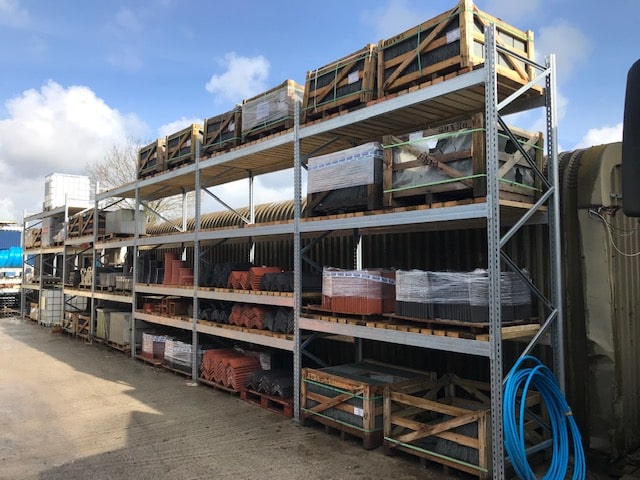
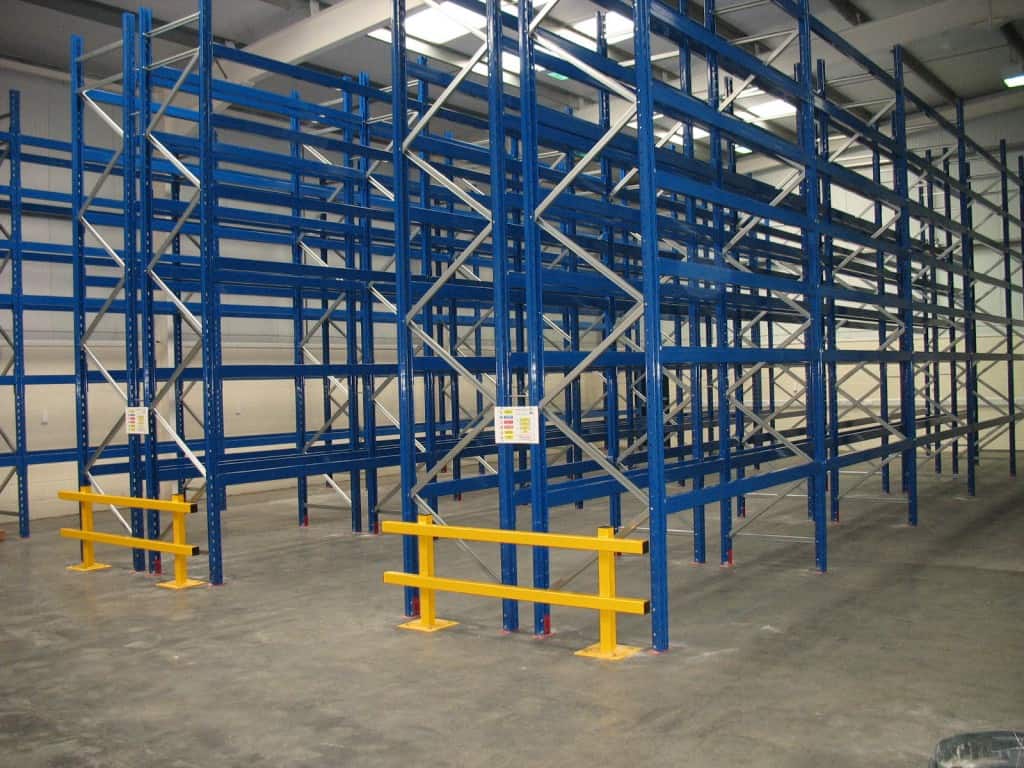
Pallet racking is the most widely used storage solution in warehouses and distribution centres. Designed to store palletised goods at height, it allows forklifts to access stock efficiently while maximising the available floor space. Because pallet racking is regularly accessed by material handling equipment, it is particularly vulnerable to accidental impacts and structural damage.
Cantilever Racking
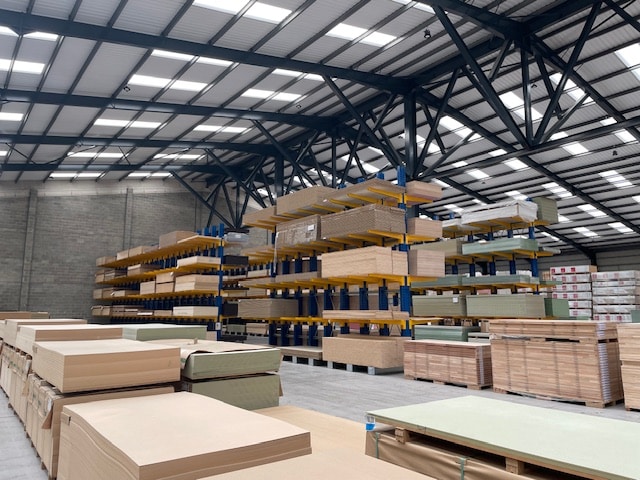
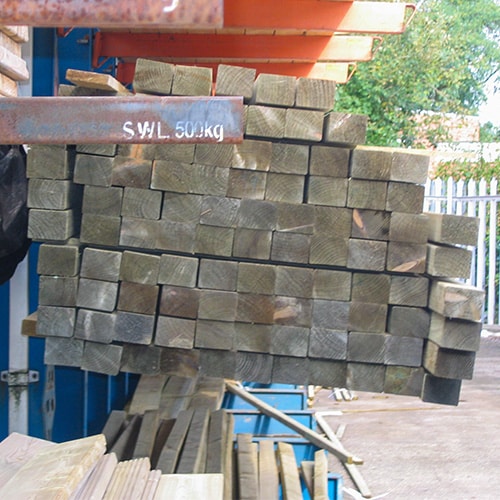
Cantilever racking is specifically designed for long, bulky, or awkward loads such as timber, steel sections, pipes, and sheet materials. Its open-front design improves accessibility but requires careful load distribution and regular monitoring to prevent instability or overloading.
Pigeon Hole Racking
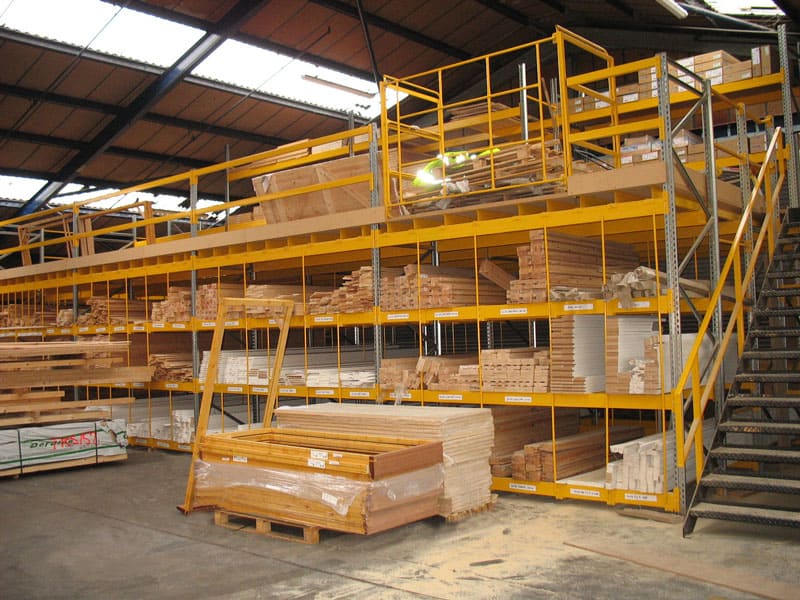
Pigeon hole storage systems are commonly used for storing smaller items, components, spare parts, and picking stock. Although they are generally lower risk than large pallet systems, poor housekeeping, overloading, and damaged shelving can still create hazards for employees during picking operations
Vertical Storage Racking
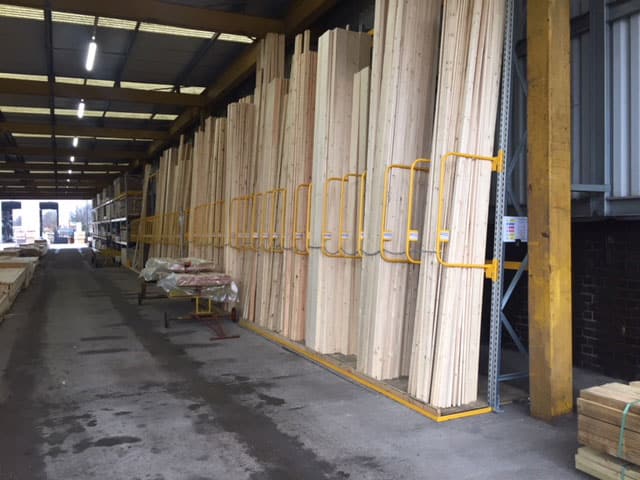
Vertical storage systems help businesses maximise warehouse space by storing products upward rather than outward. These systems often house long products, tubes, bars, profiles, or specialist materials. Safe loading procedures and operator training are essential to ensure stability and safe retrieval.
The Most Common Racking Safety Risks
Forklift Impact Damage
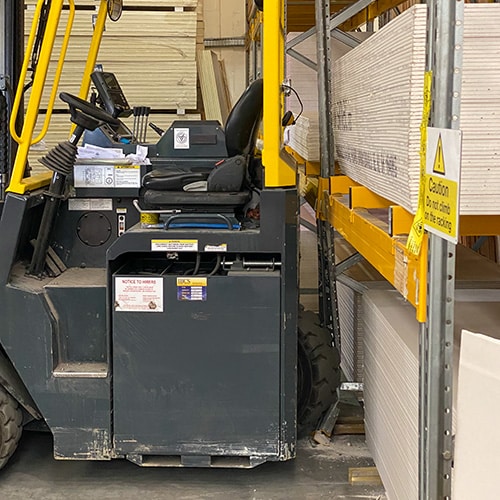
One of the biggest and most common threats to warehouse racking comes from forklift and materials handling equipment collisions.
Even minor impacts can compromise the structural integrity of a rack upright, beam, brace, or connector. Damage often appears insignificant initially but can weaken the entire storage system if not reported and assessed. Industry discussions and inspection reports consistently identify forklift impacts as a leading cause of racking damage.
Signs of impact damage include:
- Bent uprights
- Twisted frames
- Damaged bracing
- Displaced beams
- Missing or damaged safety clips
- Floor anchor bolts pulling away from the ground
Overloading
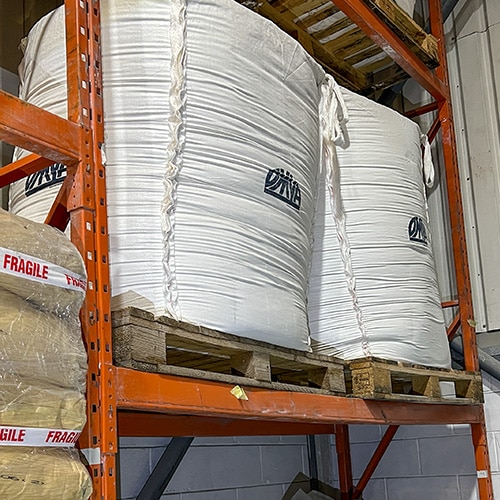
Every racking system has a load notice that should be clearly displayed and adhered to.
Exceeding load limits can place excessive stress on the structural components, increasing the risk of a collapse.
Problems often occur when warehouse layouts change, product weights increase, or load notices become damaged or illegible.
Maintaining visible load signage is a key element of safe warehouse operation and warehouse racking compliance.
Missing Components
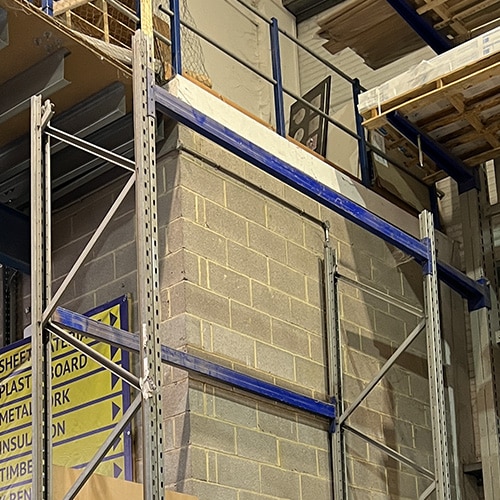
Missing beam locking pins, anchor bolts, or bracing components can significantly reduce a rack’s stability.
During routine inspections, all structural elements should be checked to ensure they remain secure and correctly fitted.
Poor Housekeeping
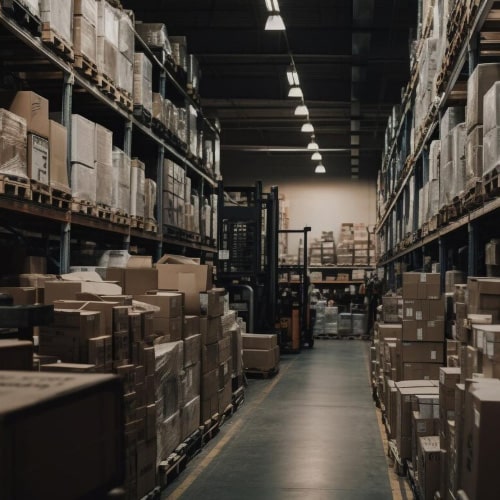
Safety around racking extends beyond the racking structure itself.
Obstructed aisles, loose packaging, damaged pallets, and poorly stacked goods increase the likelihood of accidents involving pedestrians, forklifts, and stock handling activities.
Improper Load Placement
Incorrectly positioned loads can create uneven stress across a storage bay and arms.
Examples include:
- Heavy loads stored at higher levels
- Uneven weight distribution
- Materials protruding into aisles
- Long products extending beyond support points
Proper loading procedures should be communicated to all warehouse personnel and reinforced through regular training.
What Employees Should Look Out For
Everyone working around racking should be encouraged to identify and report potential hazards.
Key warning signs include:
Bowed beams
Leaning racking frames
Missing locking pins
Cracked welds
Damaged floor fixings
Corrosion or rust on racking
Damaged or bent uprights
Unstable or protruding loads
Missing or damaged load notices
Evidence of recent impact
Creating a safe working culture is essential. Employees should feel confident reporting incidents without fear of blame, ensuring defects are addressed before they can escalate into something serious.
What Employees Should Look Out For
A proactive inspection programme is one of the most effective ways to reduce risk and maintain warehouse racking compliance. Industry guidance typically recommends a three-tier inspection approach:
Daily or Weekly Visual Checks
Routine checks carried out by warehouse staff help identify obvious damage, housekeeping issues, and unsafe loading practices before they develop into larger problems.
Internal Safety Inspections
A designated Person Responsible for Racking Safety (PRRS) or similarly trained individual should conduct regular documented inspections and ensure corrective actions are completed.
Annual Expert Inspections
SEMA and HSE guidance recommend a formal inspection by a competent racking inspector at intervals not exceeding 12 months. These inspections provide an independent assessment of the storage system and identify defects requiring repair or replacement.
Best Practices for Warehouse Racking Compliance and Safety
To maintain a safe working environment and support warehouse racking compliance, businesses should:
- Conduct regular racking inspections.
- Ensure all load notices remain visible and accurate.
- Train employees on safe loading procedures.
- Report and investigate all impact incidents.
- Install rack protection barriers and column guards.
- Maintain clear pedestrian and vehicle routes.
- Remove damaged components from service immediately.
- Keep inspection records and maintenance documentation.
- Review storage layouts when operational requirements change.
- Work with competent racking specialists for inspections, repairs, and modifications.
Safety Is an Ongoing Responsibility
Warehouse safety does not stop at forklift training or housekeeping audits. Every racking system, regardless of its type or size, requires ongoing attention throughout its lifespan.
Whether your facility uses pallet racking, cantilever racking, pigeon hole storage, or vertical storage systems, regular inspections and proactive maintenance are essential for protecting employees, preserving stock, and ensuring warehouse racking compliance.
Strong warehouse racking compliance procedures help businesses demonstrate due diligence, reduce operational risk, and meet their responsibilities under UK health and safety legislation.
By identifying damage early, promoting staff awareness, and implementing a structured inspection programme, businesses can significantly reduce risk while creating a safer, more productive warehouse environment.